Impact-Window Planning for Property Managers
Miami-Dade County property managers and associations may need to coordinate ownership rules, resident communication, repeated openings, building access, and phased work before requesting an impact-window estimate. Homestead Impact Windows helps authorized representatives present those responsibilities clearly.
Multi-Unit Scope, Approvals, and Access Planning in Miami-Dade County
For a Miami-Dade County managed-property request, compile building counts, unit counts, representative opening types, governing specifications, and known approval steps. Identify whether the request is exploratory, budget-oriented, pending a vote, or tied to an approved project scope.
Separate dwelling-unit windows, common-area glazing, entry doors, and sliding-glass doors. Note variations by building, floor, unit type, orientation, renovation history, or previous replacement work.
Identify who can authorize the project, approve products, execute an agreement, provide unit access, and communicate with residents. Private association review and government permitting remain separate processes.
If a representative sample is being considered, explain how sample units or openings were selected. Do not assume one unit accurately represents an entire community without field verification.
A clear request gives stakeholders a shared starting point for discussing impact window installation and replacement across a managed property.
Planning a multi-unit impact-window project? Start with the buildings, openings, approvals, and access requirements.
Request an EstimateResident Access and Documentation in Miami-Dade County
Miami-Dade County managed properties may require resident notices, vacant-unit tracking, elevators, parking, delivery routes, work-hour rules, access appointments, and document-submission procedures. Multi-building projects may also need defined phases.
Compare the Same Scope
Compare proposals using the same building, unit, and opening schedule. Review products, configurations, resident coordination, interior protection, documentation, association responsibilities, exclusions, and the process for handling variations.
Project Records
Ask who will maintain project records, approve substitutions, respond to inaccessible units, coordinate inspections when applicable, and resolve changes.
Association Responsibilities
Document who can authorize work, provide access, communicate with residents, and approve project decisions as the scope moves forward.
Separate Processes
Private association review and government permitting remain separate processes. Approval decisions remain with the relevant association, property owner, contractor, and government authority.
Homestead Impact Windows facilitates contractor connections but cannot guarantee association decisions, permit outcomes, or schedules.
Build a Useful Managed-Property Estimate Request
A useful managed-property request begins with building counts, unit counts, representative opening types, governing specifications, and the known decision stage. Explain whether the request is exploratory, budget-oriented, pending a vote, or tied to an approved project scope.
Building and Unit Counts
Share available building counts and unit counts so the request reflects the scale of the managed property.
Representative Opening Types
Describe representative opening types and note where units, floors, buildings, or common areas differ.
Known Approval Steps
Include governing specifications and known association approval steps when they are available.
Access and Phasing
Resident notices, vacant-unit tracking, access appointments, and defined phases may all affect how a multi-building project is organized.
The more clearly buildings, units, openings, and decision stages are presented, the easier it is to frame an estimate request appropriately.
Not sure where to begin? Start by listing the buildings, units, opening types, and stakeholders involved.
View impact-window servicesQuestions to Resolve Before a Managed-Property Request
Multi-unit impact window installation and replacement involves more than opening counts. Property managers and associations may need to identify who can authorize the project, approve products, execute an agreement, provide unit access, communicate with residents, and maintain project records.
Who Can Authorize?
Identify the authorized representative and the parties responsible for approving project decisions and executing an agreement.
Who Provides Access?
Plan for unit access, resident notices, vacant-unit tracking, elevators, parking, delivery routes, work-hour rules, and access appointments where applicable.
Who Handles Changes?
Clarify who will approve substitutions, respond to inaccessible units, and resolve variations identified during the project process.
Who Maintains Records?
Determine who will maintain project records and coordinate documentation submissions, inspections when applicable, and association communications.
For related planning, review multifamily project considerations or condo and townhome planning.
How Should Multi-Building Work Be Phased?
Multi-building projects may need defined phases. A phased approach can help organize resident communication, access appointments, parking, delivery routes, and work-hour rules around the buildings and units included in each stage.
Before discussing phases, separate dwelling-unit windows, common-area glazing, entry doors, and sliding-glass doors. Note differences by building, floor, unit type, orientation, renovation history, or previous replacement work.
If a representative sample is being considered, explain how the sample units or openings were selected. One unit should not be assumed to represent an entire community without field verification.
Use the same building, unit, and opening schedule when comparing proposals. This provides a clearer basis for reviewing products, configurations, resident coordination, interior protection, documentation, responsibilities, exclusions, and variations.
Phasing and access are governance and coordination questions that should be addressed alongside the requested impact window installation and replacement scope.
Impact-Window Planning for Managed Properties
Property managers and associations can organize a request around the opening schedule, authorization, resident access, documentation, and project phase before seeking impact window installation and replacement estimates.

Impact-Window Installation
Plan installation requests around the buildings, units, opening types, access requirements, and stakeholder responsibilities involved.
View service →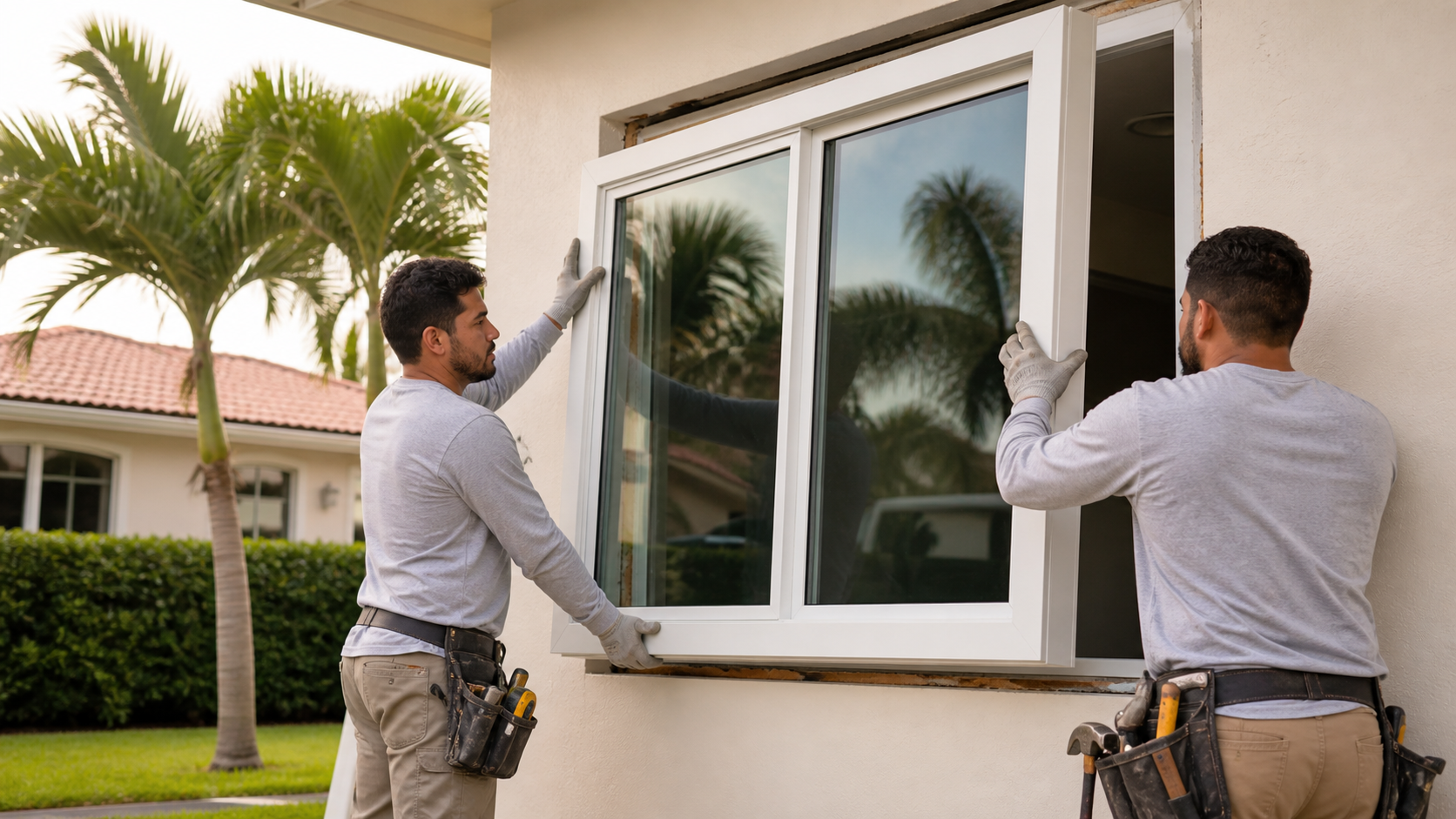
Impact-Window Replacement
Document previous replacement work, renovation history, and variations among units or buildings when replacement planning is needed.
View service →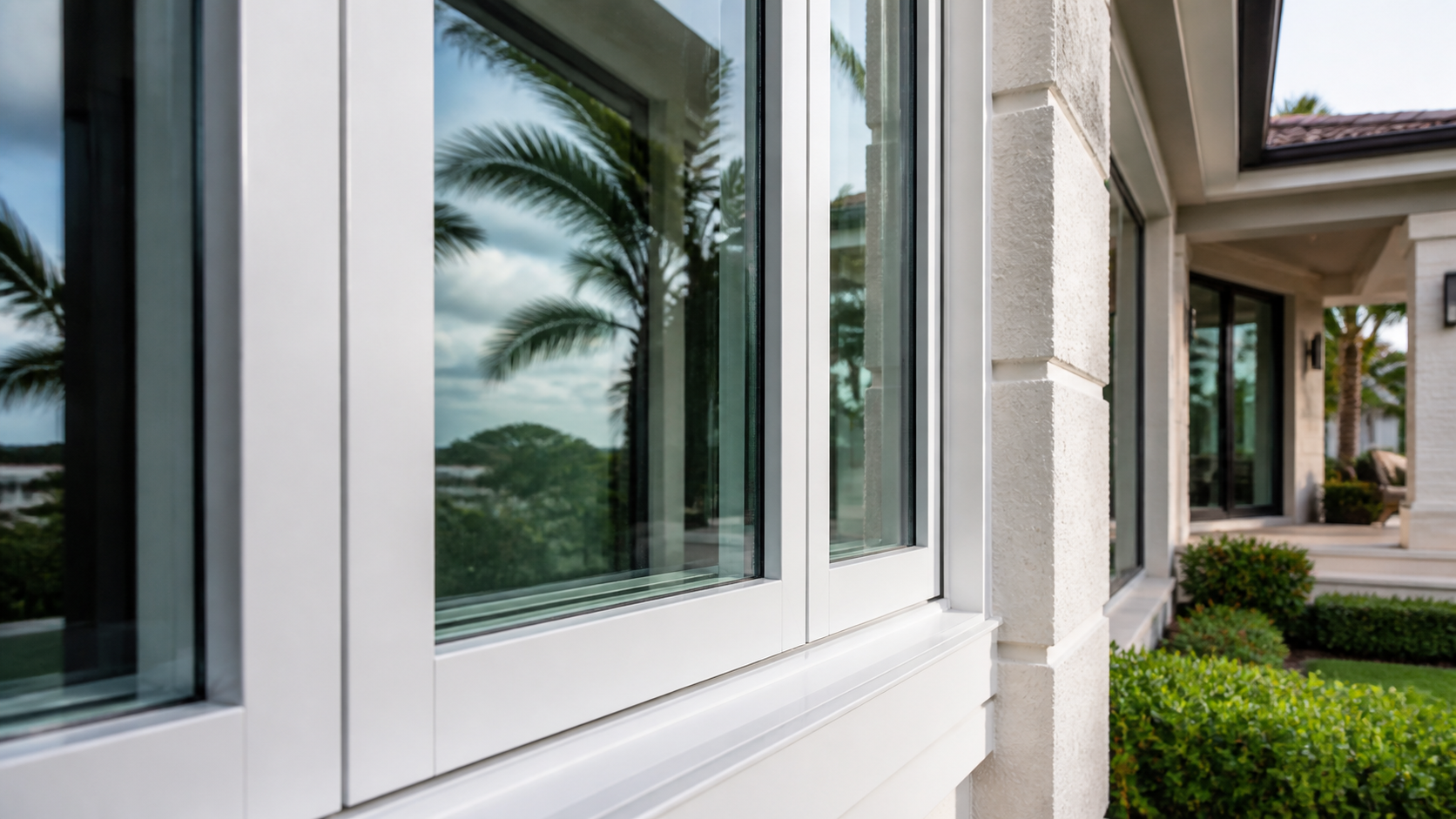
Impact-Door Installation
Separate entry doors and sliding-glass doors from window openings when compiling a managed-property scope.
View service →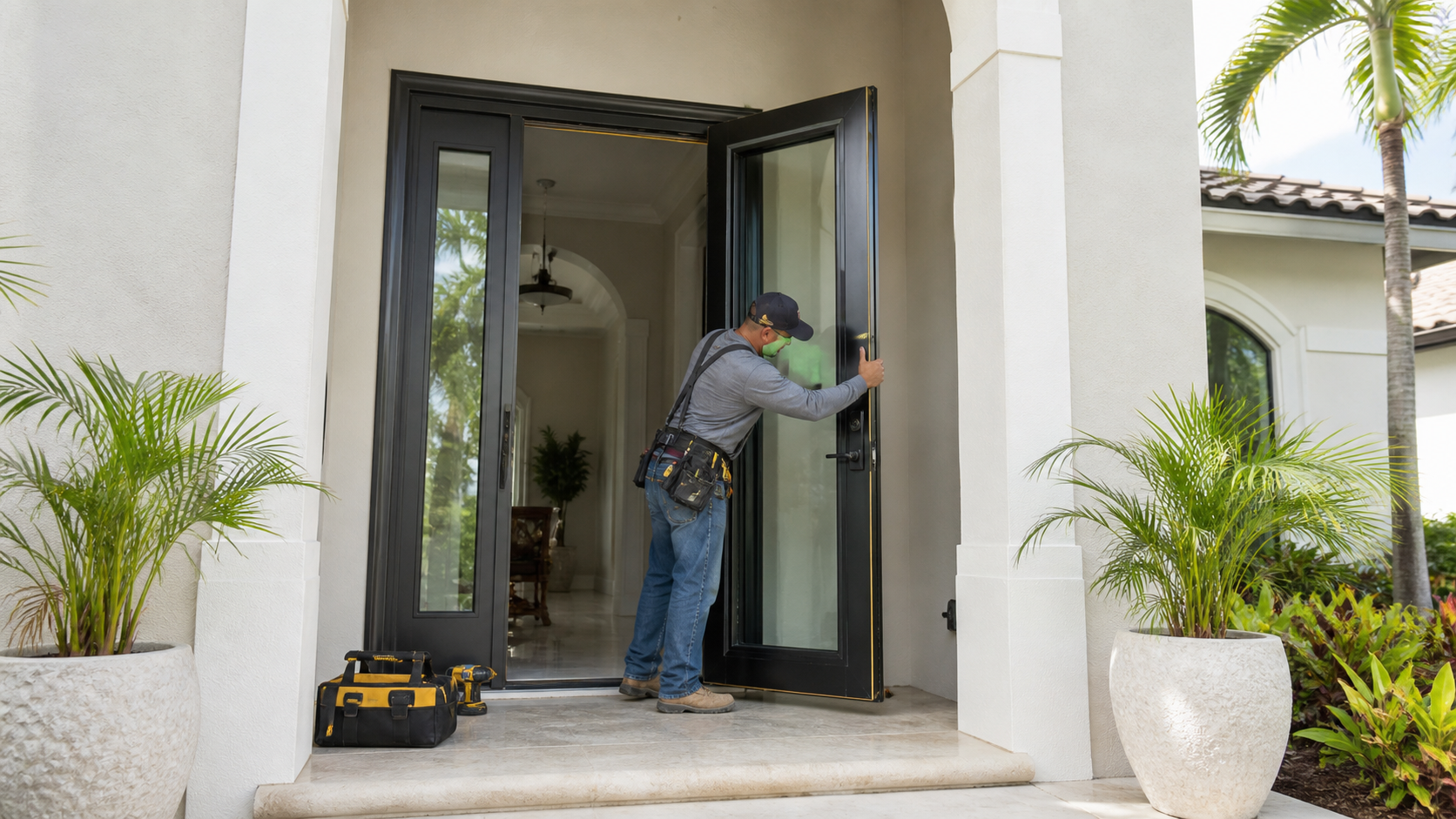
Sliding-Glass Door Replacement
Include sliding-glass doors in the opening schedule and identify variations by unit, building, or prior work.
View service →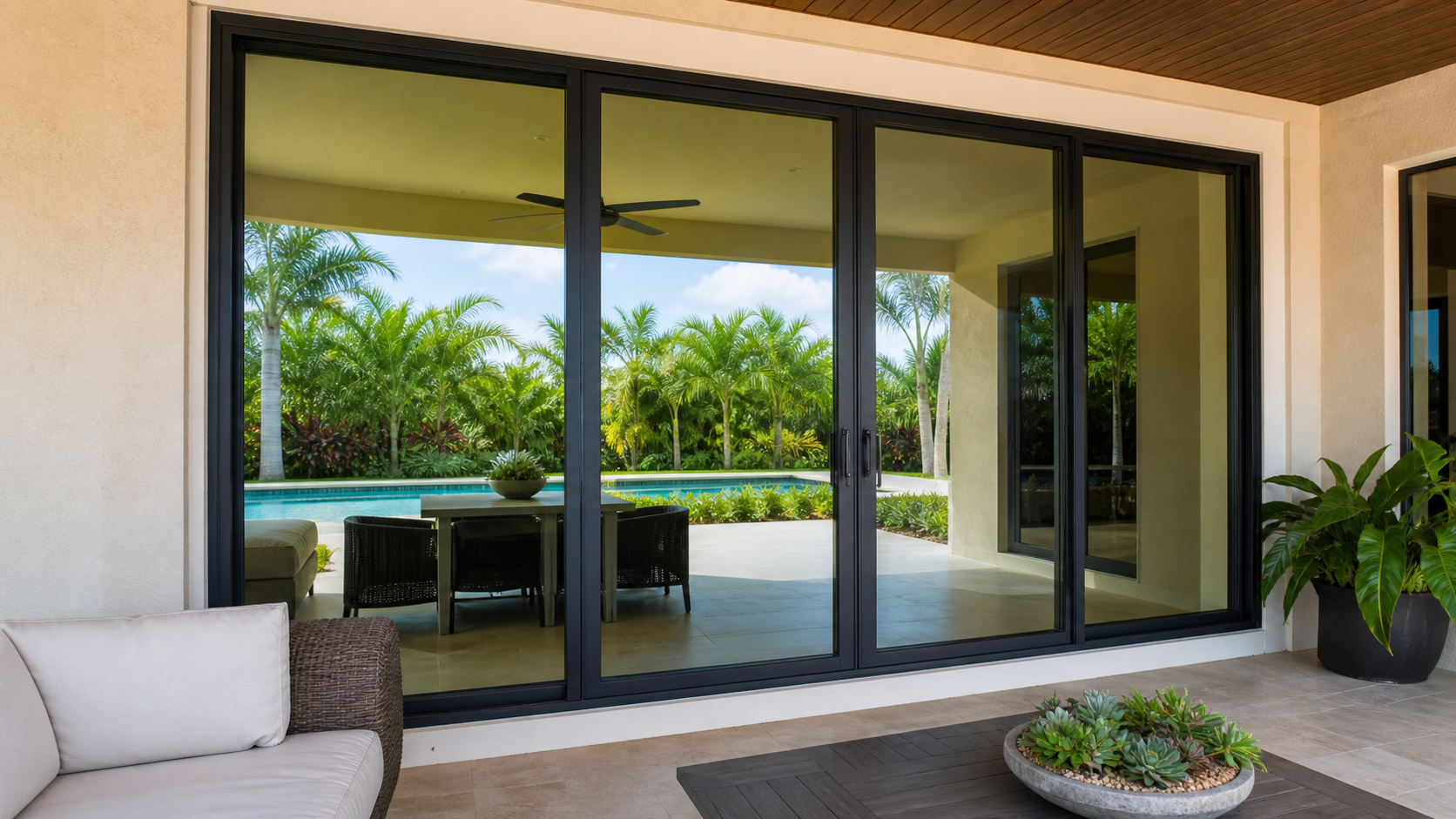
Commercial Impact Windows and Doors
Common-area glazing and openings can be identified separately from dwelling-unit windows within the project request.
View service →
Planning Resources
Compare proposals using a consistent building, unit, and opening schedule, then document responsibilities for access, records, variations, and approvals.
Compare estimates →Property-Management Impact-Window FAQs for Miami-Dade County
For Miami-Dade County managed-property planning, distinguish association review from government permitting and use a consistent opening schedule when comparing proposals.
Start With a Clear Managed-Property Scope
Share the available building, unit, opening, specification, approval, access, and phasing information. Homestead Impact Windows helps authorized representatives present those responsibilities clearly when requesting an estimate.